English
 KR
KR  IA
IA  JP
JP 

Enlarged Uterus
Two of the most common causes of an enlarged uterus are uterine fibroids and adenomyosis.
Find us easily and plan your visit with confidence. View our location for clear directions and a seamless dining or consultation experience.
get in touch today!
Contact Us
akshayafertilityslm@gmail.com
Work Time Information
Open 24 Hours
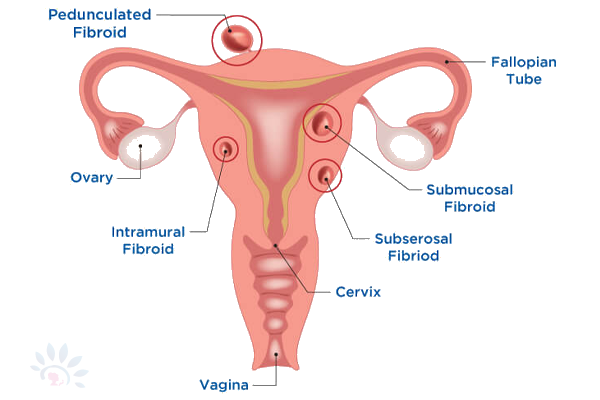
Uterine Fibroids
Uterine fibroids are commonly noncancerous tumors of the muscular wall of the uterus, affecting as many as eight in 10 women by the age of 50. FIBROIDS more commonly affects women over age 30.
An enlarged uterus is common and can be a symptom of a variety of medical conditions, some of which require treatment. Hormonal and genetic factors contribute to their growth.
While some fibroids are very small, others grow to weigh several pounds. A woman may have a single fibroid or multiple fibroids. In addition to an enlarged uterus, symptoms of uterine fibroids may include:
Feeling of fullness or pressure in the lower abdomen.
Pregnancy or delivery complications
Bleeding between periods
constipation
Frequent urination
Pain during intercourse
Heavy, painful, and/or long-lasting periods, sometimes with the passage of blood clots.
If symptoms are severe, treatment may involve a procedure called uterine artery embolization, or surgery to remove the fibroids (myomectomy)or the entire uterus (hysterectomy) Other treatments include endometrial ablation. This procedure is performed for small submucosal fibroids (when the inside lining of the uterus is removed, burned, or frozen) and laparoscopic myolysis (when freezing or an electric current is used to destroy the fibroids). Medications to help control painful periods or for pain may also be used. Other treatment options include focused ultrasound surgery and an intrauterine device (IUD) to decrease bleeding.
The cause of fibroids is not known, but the tumors seem to rely on estrogen to grow. After menopause, they often shrink naturally and cause no symptoms.
Adenomyosis
Adenomyosis is a diffuse thickening of the uterus that occurs when the tissue that normally lines the uterus (endometrium) moves into its muscular outer wall and behaves like the endometrium. When this happens in a small area, or is localized, it is called an adenomyoma.
While the cause of adenomyosis is unknown, the condition usually occurs in women older than age 30 who have had children. It is more common in women who have had uterine surgery, including a cesarean section.
In addition to uterine enlargement, symptoms may include:
Long periods of heavy bleeding
Painful periods, which get continually worse
Pain during intercourse
Most women have some adenomyosis at the end of their childbearing years. Most don’t require treatment, but some need medication to relieve pain. Birth control pills and an intrauterine device (IUD) containing progesterone may help decrease heavy bleeding. Women with severe symptoms may need a hysterectomy to relieve symptoms.
Other Causes of An Enlarged Uterus
In some cases, an enlarged uterus can be a symptom of uterine cancers, including endometrial cancer and cervical cancer. Treatment depends on the location, the extent of cancer, and other factors.
Symptoms of An Enlarged Uterus
If the woman experiences problems such as