English
 KR
KR  IA
IA  JP
JP 

Endometriosis
A condition resulting from the appearance of endometrial tissue outside the uterus and causing pelvic pain, especially associated with menstruation.
Find us easily and plan your visit with confidence. View our location for clear directions and a seamless dining or consultation experience.
get in touch today!
Contact Us
akshayafertilityslm@gmail.com
Work Time Information
Open 24 Hours
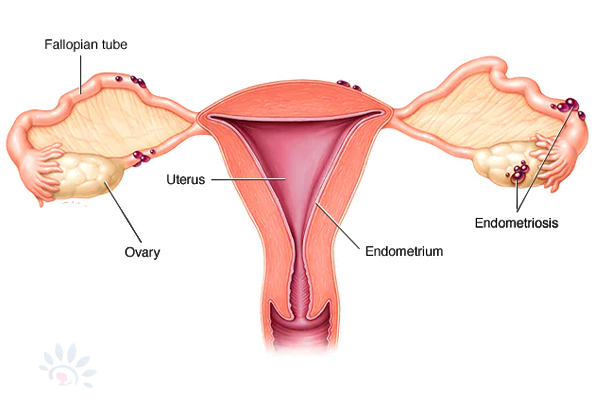
It causes a chronic inflammatory reaction that may result in the formation of scar tissue (adhesions, fibrosis) within the pelvis and other parts of the body. Several lesion types have been described:
superficial endometriosis found mainly on the pelvic peritoneum
cystic ovarian endometriosis (endometrioma) found in the ovaries
deep endometriosis found in the recto-vaginal septum, bladder, and bowel
in rare cases, endometriosis has also been found outside the pelvis
Symptoms associated with endometriosis vary and include a combination of:
painful periods
painful bowel movements
fatigue
abdominal bloating and nausea
chronic pelvic pain
painful urination
depression or anxiety
pain during and/or after sexual intercourse
In addition to the above, endometriosis can cause infertility. Infertility occurs due to the probable effects of endometriosis on the pelvic cavity, ovaries, fallopian tubes, or uterus. There is little correlation between the extent of endometrial lesions and severity or duration of symptoms: some individuals with visibly large lesions have mild symptoms, and others with few lesions have severe symptoms. Symptoms often improve after menopause, but in some cases, painful symptoms can persist. Chronic pain may be due to pain centers in the brain becoming hyper-responsive over time (central sensitization), which can occur at any point throughout the life course of endometriosis, including treated, insufficiently treated, and untreated endometriosis, and may persist even when endometriosis lesions are no longer visible. In some cases, endometriosis can be asymptomatic.
What is the cause of endometriosis?
Endometriosis is a complex disease. The exact origins of endometriosis are thought to be multifactorial, which means that many different factors contribute to its development. Several hypotheses have been proposed to explain the origins of endometriosis. At present endometriosis is thought to arise due to:
- Retrograde menstruation, which is when menstrual blood containing endometrial cells flows back through the fallopian tubes and into the pelvic cavity at the time that blood is flowing out of the body through the cervix and vagina during periods. Retrograde menstruation can result in endometrial-like cells being deposited outside the uterus where they can implant and grow.
- Cellular metaplasia, which is when cells change from one form to another. Cells outside the uterus change into endometrial-like cells and start to grow.
- Stem cells giving rise to the disease, which then spreads through the body via blood and lymphatic vessels.
Other factors may also contribute to the growth or persistence of ectopic endometrial tissue. For example, endometriosis is known to be dependent on estrogen, which facilitates the inflammation, growth, and pain associated with the disease. However, the relationship between estrogen and endometriosis is complex since the absence of estrogen does not always preclude the presence of endometriosis. Several other factors are thought to promote the development, growth, and maintenance of endometriosis lesions. These include altered or impaired immunity, localized complex hormonal influences, genetics and potentially, environmental contaminants
Prevention
At present, there is no known way to prevent endometriosis. Enhanced awareness, followed by early diagnosis and management may slow or halt the natural progression of the disease
Diagnosis
A careful history of menstrual symptoms and chronic pelvic pain provides the basis for suspecting endometriosis. Usually, surgical/laparoscopic visualization can be useful in confirming the diagnosis, particularly for the most common superficial lesions.
Treatment
Treatment can be with medications and/or surgery depending on symptoms, lesions, desired outcome, and patient choice. Contraceptive steroids, non-steroidal anti-inflammatory medications, and analgesics are common therapies. Most current hormonal management is not suitable for persons suffering from endometriosis who wish to get pregnant, since they affect ovulation. Surgery can help to remove endometriosis lesions, adhesion, and scar tissue. Treatment options for infertility due to endometriosis include laparoscopic surgical removal of endometriosis, ovarian stimulation with intrauterine insemination (IUI), and in vitro fertilization (IVF), but success rates may vary. Other co-morbidities may occur alongside endometriosis, requiring diagnosis and management.