English
 KR
KR  IA
IA  JP
JP 

Dysmenorrhea
Dysmenorrhea, defined as painful cramps that occur with menstruation, is the most common gynecological problem in women of all ages and races, and one of the most common causes of pelvic pain.
Symptoms typically begin in adolescence and may lead to school and work absenteeism, as well as limitations on social, academic, and sports activities.
Find us easily and plan your visit with confidence. View our location for clear directions and a seamless dining or consultation experience.
get in touch today!
Contact Us
For inquiries, please contact us at:
akshayafertilityslm@gmail.com
akshayafertilityslm@gmail.com
Work Time Information
Working Hours Details:
Open 24 Hours
Open 24 Hours
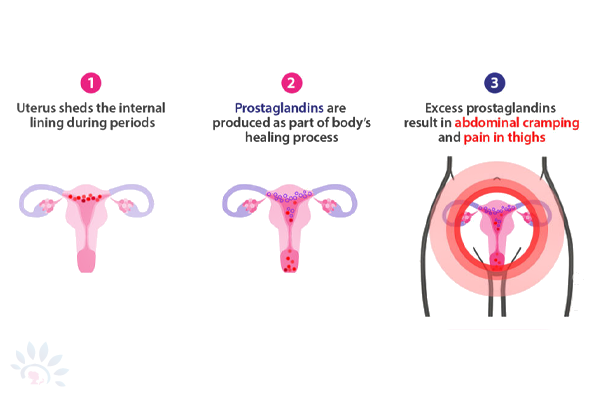
Symptoms of Dysmenorrhea
Pain in the lower back and lower abdomen may also spread to the legs. The pain may come and go or be present as a dull constant ache.
Dysmenorrhea may also be associated with headaches.
If the pain is very severe, it can cause fainting.
Nausea, vomiting may accompany.
Digestive disturbances like diarrhea or constipation may be associated.
Premenstrual symptoms like bloating and breast tenderness may be present.
Tests are done for Dysmenorrhea
Detailed medical history is taken by the doctor.
A pelvic examination is done. A pelvic examination is a physical examination done by a Gynecologist through the vaginal opening to assess the female genital organs (vulva, vagina, cervix, uterus, and the adnexa -ovary, and tubes).
Ultrasonography of the pelvis to rule out or pick up any underlying conditions is recommended.
Laparoscopy, in severe cases where the cause is not identified, may be necessary for the diagnosis (an instrument called a laparoscopy is inserted through a keyhole incision to look at the abdominal organs).
Managing Dysmenorrhea
Painful periods can be distressful for women impacting them not only physically but emotionally and occupationally. Tackling it involves solutions combining lifestyle modification and appropriate medicines.