English
 KR
KR  IA
IA  JP
JP 

Blastocyst
Blastocyst culture with day-5 embryo transfer helps select the highest-quality embryos, improving IVF success rates. Transferring fewer, well-developed embryos reduces the risk of multiple pregnancies while supporting healthy implantation.
Find us easily and plan your visit with confidence. View our location for clear directions and a seamless dining or consultation experience.
get in touch today!
Contact Us
For inquiries, please contact us at:
akshayafertilityslm@gmail.com
akshayafertilityslm@gmail.com
Work Time Information
Working Hours Details:
Open 24 Hours
Open 24 Hours
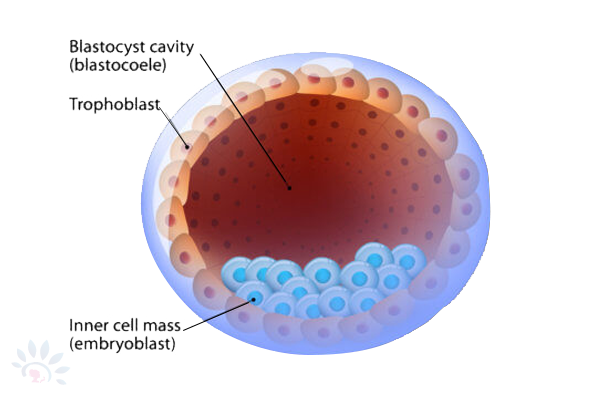
Blastocyst culture and day 5 embryo transfer for in vitro fertilization allows selection of the best quality embryos for transfer.
Embryo's quality is important with infertility
With blastocyst transfer, we transfer fewer embryos – reducing multiple pregnancy risks, and maintain high IVF success rates.
Definition of a blastocyst
An embryo that has developed for five to seven days after fertilization and has 2 distinct cell types and a central cavity filled with fluid (blastocoel cavity).
The cells in a blastocyst have just started to differentiate.
The surface cells that surround the cavity (just under the outer shell) are called the trophectoderm and will later develop into the placenta.
A more centrally located group of cells – the inner cell mass, will become the fetus.
Blastocyst formation rate
The goal of in vitro fertilization and embryo culture is to provide high-quality embryos which are capable of continued development and result in live births. However, under standard IVF culture conditions, only about 25 to 60% of human embryos progress to the blastocyst stage after 5 days of culture
The low rate of embryo development has 2 main causes: