English
 KR
KR  IA
IA  JP
JP 

Premenstrual Syndrome (PMS)
Premenstrual syndrome (PMS) has a wide variety of signs and symptoms, including tender breasts, mood swings, food cravings, fatigue, irritability, and depression. It is estimated that as many as 3 of every 4 menstruating women have experienced some form of premenstrual syndrome.
Find us easily and plan your visit with confidence. View our location for clear directions and a seamless dining or consultation experience.
get in touch today!
Contact Us
akshayafertilityslm@gmail.com
Work Time Information
Open 24 Hours
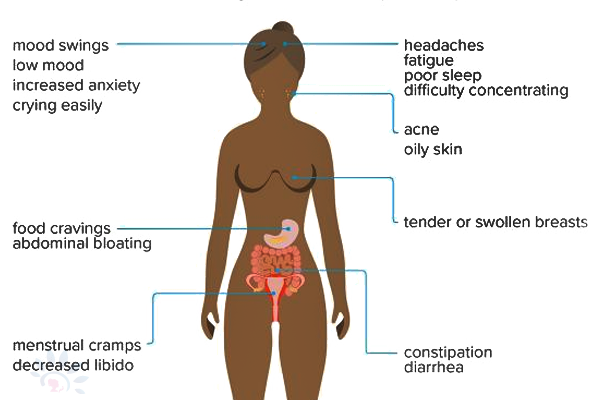
Emotional and behavioral signs and symptoms
Tension or anxiety
Crying spells
Poor concentration
Mood swings and irritability or anger
Trouble falling asleep (insomnia)
Depressed mood
Social withdrawal
Change in libido
Appetite changes and food cravings
Physical signs and symptoms
Joint or muscle pain
Fatigue
Breast tenderness
Constipation or diarrhea
Weight gain related to fluid retention
Headache
Abdominal bloating
Acne flare-ups
Alcohol intolerance
Causes
Exactly what causes premenstrual syndrome is unknown, but several factors may contribute to the condition:
Cyclic changes in hormones
Chemical changes in the brain
Depression
Treatment
For many women, lifestyle changes can help relieve PMS symptoms. But depending on the severity of your symptoms, your doctor may prescribe one or more medications for premenstrual syndrome.
The success of medications in relieving symptoms varies among women. Commonly prescribed medications for premenstrual syndrome include:
Antidepressants:
Selective serotonin reuptake inhibitors (SSRIs) have been successful in reducing mood symptoms. These medications are generally taken daily. But for some women, the use of antidepressants may be limited to the two weeks before menstruation begins.Nonsteroidal anti-inflammatory drugs (NSAIDs):
NSAIDs when taken before or at the onset of your period can ease cramping and breast discomfort.Diuretics:
When exercise and limiting salt intake aren’t enough to reduce weight gain, swelling, and bloating, taking water pills can help your body shed excess fluid through your kidneys. Diuretics can help ease some of the symptoms of PMS.Hormonal contraceptives:
These prescription medications stop ovulation, which may bring relief from symptoms.