English
 KR
KR  IA
IA  JP
JP 

Fibroids
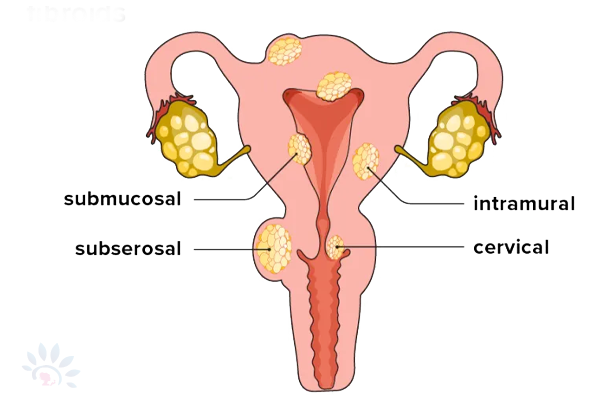
Uterine fibroids are noncancerous growths of the uterus that often appear during childbearing years. They are also called leiomyomas or myomas. Uterine fibroids aren’t associated with an increased risk of uterine cancer and seldom develop into cancer.
Fibroids range in size from small to big. one can have a single fibroid or multiple fibroids. In extreme cases, multiple fibroids can expand the uterus so much that it reaches the rib cage.
Find us easily and plan your visit with confidence. View our location for clear directions and a seamless dining or consultation experience.
get in touch today!
Contact Us
akshayafertilityslm@gmail.com
Work Time Information
Open 24 Hours
Causes
Genetic changes
Hormones
Other growth factors
Extracellular matrix (ECM)
Symptoms
Many women don’t have any symptoms of uterine fibroids.
But some women may have symptoms of uterine fibroids like:
Heavy menstrual bleeding
Menstrual periods lasting more than a week
Pelvic pressure or pain
Frequent urination
Difficulty emptying the bladder
Constipation
Backache or leg pains
Pregnancy and Fibroids
Fibroids usually don't interfere with getting pregnant. However, it's possible that fibroids — especially submucosal fibroids — could cause infertility or pregnancy loss.
Fibroids may also raise the risk of certain pregnancy complications, such as placental abruption, fetal growth restriction, and preterm delivery.
Diagnosis of uterine leiomyomas
It is generally made by comprehensive physical examination and clinical history. On physical exam, the most common finding is an enlarged uterus that is often irregular in shape. Confirmation of the clinical diagnosis is most easily done with ultrasonography.
Treatment
Surgery has traditionally been the gold standard for the treatment of uterine leiomyomas and has typically consisted of either hysterectomy or myomectomy. In recent years, a few clinical trials have evaluated the efficacy of orally administered medications for the management of leiomyoma-related symptoms.